
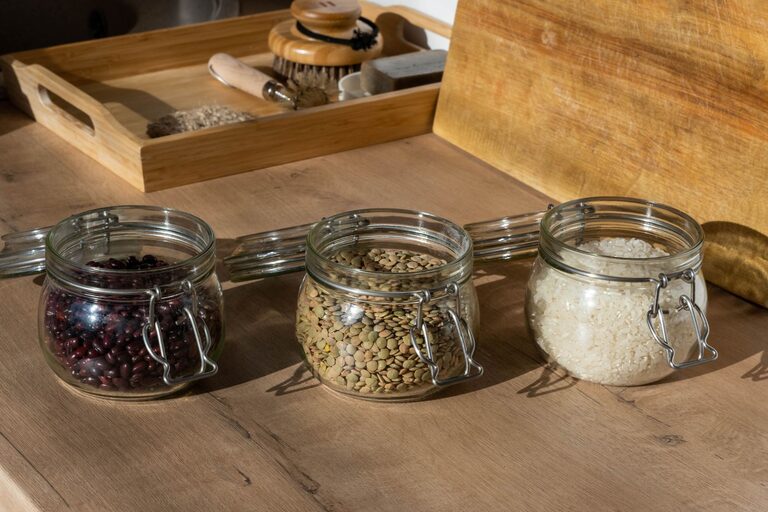
Planning meals from pantry staples is a smart way to save time, reduce food waste, and keep your meals budget-friendly without sacrificing taste. Whether you’re new to cooking or looking to simplify your routine, using ingredients you already have in your pantry can make dinner preparation easier and less stressful. In this post, we’ll explore how to identify pantry staples, plan versatile meals, and get creative with simple recipes—all while keeping your kitchen organized and ready for anything.
What Are Pantry Staples?
Pantry staples are non-perishable food items you keep on hand for everyday cooking. These are ingredients that have a long shelf life and form the base of many meals. Common pantry staples include:
– Dry pasta, rice, and grains (quinoa, couscous)
– Canned beans and lentils
– Canned tomatoes and tomato paste
– Broth and stock cubes
– Cooking oils (olive oil, vegetable oil)
– Flour, sugar, and baking powder
– Spices and dried herbs (basil, oregano, cumin, chili powder)
– Nut butters and canned tuna or salmon
– Dried or canned vegetables and fruits
Having a well-stocked pantry means you can pull together meals without needing last-minute grocery runs.
Step 1: Take Inventory of Your Pantry
Before planning your meals, take a few minutes to check what you have. This helps you avoid buying duplicates and come up with ideas based on what’s available.
– Organize your pantry shelves so items are visible and easy to reach.
– Note expiration dates to prioritize ingredients that should be used soon.
– Write down all usable staples on a list or use an app to keep track digitally.
Knowing your pantry inventory is the foundation of smart meal planning.
Step 2: Choose Recipes Based on What You Have
Match your pantry staples to recipes that can be made with minimal additional ingredients. Here are some meal ideas based on common pantry items:
Pasta with Tomato Sauce
– Dry pasta
– Canned tomatoes or tomato paste
– Olive oil, garlic, and dried herbs
– Optional canned tuna or vegetables
Cook the pasta, sauté garlic in olive oil, add canned tomatoes, herbs, and simmer. Toss in pasta and top with tuna or veggies for a complete meal.
Rice and Beans Bowl
– Rice or grains
– Canned beans (black beans, chickpeas, kidney beans)
– Spices like cumin, chili powder
– Any canned corn or salsa for extra flavor
Cook rice, heat beans with spices, and combine. Add salsa or canned vegetables and a drizzle of olive oil to finish.
Lentil Soup
– Lentils (dry or canned)
– Canned tomatoes or broth cubes
– Onions, garlic, and spices
– Optional dried vegetables like carrots or celery
Simmer lentils and vegetables in broth or water with spices for a hearty soup that’s filling and nutritious.
Step 3: Plan Weekly Menus
Planning a weekly menu around pantry staples can simplify grocery shopping and meal prep.
– Start with 2–3 pantry-based meals per week.
– Plan for fresh or frozen produce to complement your pantry ingredients.
– Include breakfast and lunch ideas that use pantry basics (oatmeal, nut butter sandwiches).
– Leave room for leftovers or quick meals to reduce stress on busy days.
Write down your plan on a calendar or meal planning app so you can stay organized.
Step 4: Use Staples to Build Balanced Meals
Pantry staples often provide carbohydrates and protein, but you’ll want to add fresh or frozen vegetables and fruits to balance the nutrition.
Tips for Balanced Meals:
– Add a fresh or frozen vegetable side whenever possible.
– Incorporate protein from canned beans, lentils, or canned fish.
– Use whole grains like brown rice or quinoa for extra fiber.
– Include healthy fats from olive oil, nuts, or seeds.
This approach ensures your meals are both tasty and nutritious.
Step 5: Get Creative with Spices and Flavors
Spices, herbs, and condiments can transform simple pantry staples into flavorful dishes. Experiment with different flavors to keep meals exciting.
– Mix dried herbs like basil and oregano for Italian dishes.
– Use cumin, coriander, and chili powder for Mexican or Indian-inspired meals.
– Add a splash of vinegar or a squeeze of lemon juice to brighten flavors.
– Incorporate a little soy sauce or miso paste for umami depth.
Adjust seasonings to your taste and try new combinations to avoid meal fatigue.
Step 6: Store Pantry Staples Properly
To keep your pantry staples fresh and accessible, follow these simple storage tips:
– Store grains and flours in airtight containers to prevent pests.
– Keep canned goods organized by type or use (beans, tomatoes, soups).
– Label containers with the date opened or expiration for easy tracking.
– Store spices in a cool, dry place away from light to maintain freshness.
A well-maintained pantry saves money and time while helping you plan meals efficiently.
Bonus: Simple Pantry Staple Recipes to Try
Here are three easy recipes to get you started:
1. Chickpea Curry
– 1 can chickpeas, drained
– 1 can diced tomatoes
– 1 onion, chopped (optional)
– 1 garlic clove, minced
– 1 tbsp curry powder
– 1 cup broth or water
Sauté onion and garlic, add curry powder, tomatoes, chickpeas, and broth. Simmer 15 minutes and serve with rice.
2. Tuna Pasta Salad
– Cooked pasta
– 1 can tuna, drained
– 1/2 cup canned corn
– Olive oil, lemon juice
– Salt and pepper to taste
Combine all ingredients for a quick, no-cook meal perfect for lunch.
3. Lentil and Vegetable Stew
– 1 cup lentils
– 1 can diced tomatoes
– 1 cup mixed frozen vegetables
– 4 cups broth or water
– Salt and pepper
Simmer lentils and tomatoes in broth for 20 minutes. Add frozen vegetables and cook until tender.
Final Thoughts
Planning meals from pantry staples is a great way to reduce stress, save money, and eat well. With a bit of inventory management, creativity with ingredients, and simple meal ideas, your pantry can become the heart of your kitchen. Keep your pantry stocked, try new seasonings, and enjoy the convenience of having meals ready at your fingertips.
Happy cooking!