
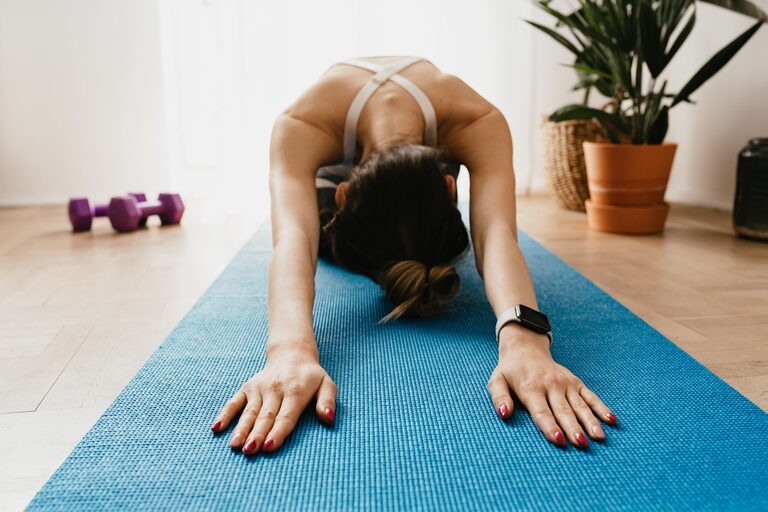
Stretching is a simple yet powerful way to improve your overall health and wellness. Whether you’re looking to increase flexibility, reduce muscle tension, or simply add a relaxing ritual to your day, stretching at home is an accessible and effective option. This beginner’s guide will walk you through the basics of stretching, share practical tips, and provide easy stretches you can do without any special equipment.
Why Stretch at Home?
You don’t need a gym membership or fancy equipment to enjoy the benefits of stretching. Stretching at home offers:
– Convenience: Stretch whenever it fits your schedule
– Cost-effectiveness: No need to buy equipment or pay for classes
– Comfort: Exercise in a familiar, private environment
– Stress relief: Create a peaceful routine to unwind
Regular stretching supports better posture, increases blood flow, improves range of motion, and can help prevent injuries during other activities.
Understand the Basics: Types of Stretching
Before you start, it helps to know the two main types of stretching:
Static Stretching
This involves slowly moving into a stretch and holding it for a set period, usually 15 to 60 seconds. It is great for improving flexibility and relaxing muscles.
Dynamic Stretching
This type includes controlled movements that gently take your muscles through their full range of motion. It’s often used as a warm-up because it helps prepare your body for activity.
For most beginners, starting with static stretches is a good way to ease into a routine. Once comfortable, you can explore dynamic stretches or combine both types for a balanced approach.
How to Stretch Safely at Home
Safety is crucial when beginning a stretching routine. Here are some important guidelines:
– Warm up first: Stretch after a 5 to 10-minute walk or light activity to reduce the risk of injury.
– Move slowly: Avoid bouncing or jerking motions.
– Listen to your body: Stretch to a comfortable tension, not pain.
– Breathe deeply: Inhale and exhale steadily to help your muscles relax.
– Stay consistent: Aim for at least 3 sessions per week to see benefits.
– Modify as needed: Use props like a towel or yoga blocks if stretches feel difficult.
Beginner-Friendly Stretches to Try at Home
Here are some easy stretches targeting different body areas. Hold each stretch for 20-30 seconds and repeat 2 to 3 times.
Neck Stretch
– Sit or stand tall.
– Gently tilt your head toward your right shoulder until you feel a light stretch on the left side of your neck.
– Hold, then switch sides.
Shoulder Stretch
– Bring your right arm across your chest.
– Use your left hand to press your right arm closer to your body.
– Feel the stretch across your upper back and shoulder.
– Hold, then switch arms.
Chest Opener
– Clasp your hands behind your back.
– Straighten your arms and gently lift your chest.
– This stretch opens the chest and counters forward-slouching posture.
Seated Forward Bend
– Sit on the floor with legs extended.
– Slowly reach your hands toward your feet, bending at the hips.
– Keep your back straight as you stretch the hamstrings and lower back.
Cat-Cow Stretch (Spine Mobility)
– Start on all fours with shoulders over wrists and hips over knees.
– Arch your back, tucking the chin (cat pose).
– Then dip your back, lifting the head and tailbone (cow pose).
– Repeat slowly to improve spinal flexibility.
Standing Quad Stretch
– Stand with feet hip-width apart.
– Bend your right knee and grab your ankle behind you.
– Keep knees close and push hips slightly forward to stretch the front thigh.
– Hold, then switch legs.
Calf Stretch
– Stand facing a wall.
– Place hands on the wall and step your right foot back.
– Keep the back leg straight and heel on the floor.
– Lean forward slightly to stretch the calf muscle.
– Switch legs after holding.
Creating Your Stretching Routine
A simple stretching routine can take as little as 10 to 15 minutes. Follow these steps to build your practice:
- **Warm up lightly:** Walk or march in place for 5 minutes.
- **Choose 5 to 7 stretches:** Focus on areas you feel tight or want to improve.
- **Hold each stretch:** Breathe deeply, holding for 20-30 seconds.
- **Repeat as needed:** Complete 2 rounds for a full session.
- **Cool down:** End with deep breathing or gentle relaxation.
Try to stretch on most days or at least three times a week. Consistency is key to seeing long-term benefits.
Tips to Stay Motivated
Starting a new habit can be challenging. Try these ideas to keep your stretching routine enjoyable:
– Set a regular time: Stretch in the morning or before bed to build a habit.
– Use reminders: Place a note on your mirror or set phone alarms.
– Create a calming space: Use a yoga mat, play soft music, or light a candle.
– Track your progress: Notice improvements in flexibility and comfort.
– Combine with other wellness habits: Stretch after meditation or light exercise.
When to Consult a Professional
If you have any existing health conditions or injuries, consult a healthcare professional before starting a stretching routine. A physical therapist or certified fitness trainer can help tailor stretches to your needs and ensure you practice them safely.
—
Stretching at home is a wonderful way to nurture your body and mind. With a little practice and patience, you’ll notice increased flexibility, less tension, and a greater sense of well-being. Start today, and enjoy the many benefits stretching can bring to your daily life!