
Composting at home is a fantastic way to reduce waste, enrich your garden soil, and contribute positively to the environment. If you’re new to composting, the process may seem a bit confusing at first, but with some basic knowledge and a few simple steps, you can start your own compost pile or bin right in your backyard or even indoors. This guide will walk you through beginner-friendly tips to help you compost effectively and enjoy the many benefits it offers.
What Is Composting?
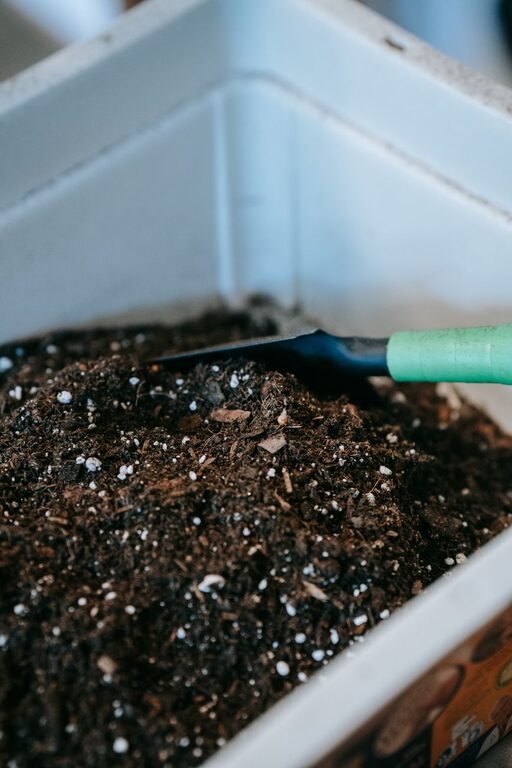
Composting is the natural process of recycling organic matter like food scraps, yard waste, and paper products into a rich soil additive called compost. This dark, crumbly material improves soil health by providing essential nutrients, improving soil structure, and helping retain moisture.
—
Why Compost at Home?
– Reduces landfill waste: Composting diverts food scraps and yard waste from landfills, decreasing methane emissions.
– Improves garden soil: Compost adds nutrients, helping plants grow stronger and more resilient.
– Saves money: Less need to buy commercial fertilizers and soil conditioners.
– Supports sustainability: Encourages eco-friendly habits and reduces your carbon footprint.
—
Getting Started: What You Need
Choose a Composting Method
There are several composting options to fit different lifestyles and spaces:
– Traditional Compost Bin: Ideal for yards; you can buy or build a compost bin to contain your pile.
– Compost Tumbler: A rotating container that makes mixing compost easy and accelerates decomposition.
– Vermicomposting (Worm Composting): Uses worms to break down kitchen scraps, perfect for indoor composting.
– Bokashi: A fermentation method good for small spaces, works with meat and dairy scraps.
For beginners, a simple outdoor compost bin or a worm bin indoors can be great starting points.
Gather Your Materials
Compost materials fall into two categories:
– Greens: Nitrogen-rich items such as fruit and vegetable scraps, coffee grounds, fresh grass clippings.
– Browns: Carbon-rich materials like dry leaves, shredded paper, cardboard, straw.
A good mix of greens and browns is essential for healthy compost. Generally, aim for about 2-3 parts browns to 1 part greens.
—
Beginner Tips for Successful Composting
1. Start with the Right Spot
Choose a dry, shaded area for your compost bin or pile. Good drainage and airflow will help decomposition and prevent odors.
2. Balance Greens and Browns
Avoid adding only food scraps or only dry leaves. A balanced mix creates the ideal environment for microorganisms to thrive.
3. Chop or Shred Materials
Breaking items into smaller pieces speeds up decomposition. Chop vegetable peels and shred paper or leaves before adding them.
4. Turn the Pile Regularly
Aerate your compost by turning it every 1-2 weeks. This introduces oxygen, which speeds up decomposition and prevents bad smells.
5. Keep It Moist
The compost should be about as damp as a wrung-out sponge. Add water if too dry, or add more browns if too wet.
6. Avoid Adding These Items
Certain materials can cause problems or attract pests:
– Meat, fish, dairy products
– Fats, oils, grease
– Diseased plants or weeds with seeds
– Pet waste
—
Indoor Composting Tips
If you don’t have outdoor space, indoor composting systems like worm bins are a good choice.
– Use red wiggler worms, which are great compost helpers.
– Keep the bin in a cool, dark place.
– Feed worms small amounts of kitchen scraps regularly.
– Avoid citrus, onions, and spicy foods, which worms dislike.
—
Troubleshooting Common Issues
– Smelly compost: Usually too wet or not enough browns. Turn pile and add dry materials.
– Slow decomposition: May need more greens or regular turning.
– Pests: Use a covered bin and avoid meat or oily foods.
– Compost too dry: Add water and more greens.
—
Harvesting Your Compost
After 2-6 months, your compost should look dark, crumbly, and smell earthy. Use it as:
– A soil amendment in garden beds.
– Mulch around plants.
– Potting mix additive.
Harvesting involves removing the finished compost from the bottom or side of your bin, leaving partially decomposed materials to continue breaking down.
—
Final Thoughts
Starting a compost bin at home is a rewarding, eco-friendly project that benefits your garden and the planet. By following these beginner tips, you’ll develop a successful composting routine that turns everyday waste into gardening gold. Remember, composting is a learning process—don’t be afraid to experiment and adjust as you gain experience.
Happy composting!